
the blog
A place for our team to share about topics they are passionate about, in hopes of allowing you to see and understand a bit more behind the faces on these pages.
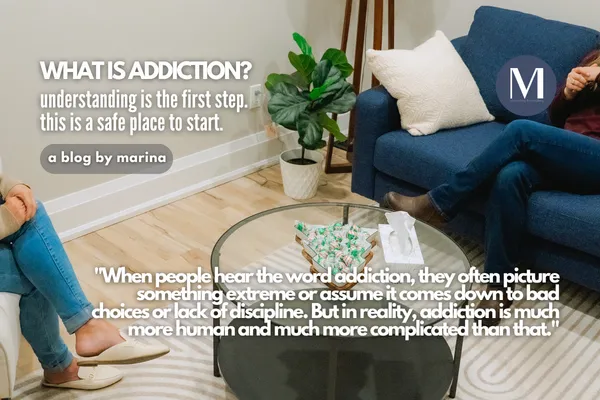
What is Addiction?
When people hear the word addiction, they often picture something extreme or assume it comes down to bad choices or lack of discipline. But in reality, addiction is much more human and much more complicated than that. At its core, addiction is a health condition that affects the brain, behaviour, and the way we cope with stress, pain, and reward.
Addiction can involve substances like alcohol or drugs, but it can also show up in behaviours like gambling, gaming, or internet use. What makes something an addiction isn’t just how often it happens - it’s what starts to happen around it. Life begins to shrink. Energy, time, and attention start to revolve around that one thing, even when it’s causing harm. You might notice this in yourself, or you might notice it in someone you care about.
A simple way to understand this is through what clinicians call the 4 C’s: craving, loss of control, compulsion, and use despite consequences. In everyday language, that might look like thinking about it more than intended, using more than planned, feeling pulled back to it even after saying “I’m done,” and continuing even as it begins to affect health, relationships, work, or finances. From the outside, it might look like someone struggling to follow through, withdrawing from others, or continuing a behaviour even when it’s clearly hurting them. Many people also notice tolerance building over time, or feeling physically or emotionally off when they try to stop.
Addiction rarely appears overnight. It often starts in a way that feels manageable - social, occasional, even helpful at first. Over time, the relationship with the substance or behaviour shifts. What once felt like a choice can begin to feel like something a person needs just to feel okay, or to avoid discomfort. That shift can be subtle, which is why it can be hard to recognize - whether you’re the one experiencing it or watching it happen to someone you love.
It’s also worth naming the difference between a habit and an addiction. We all have habits - things we do regularly that we could change if we decided to. Addiction feels different. There’s a sense of losing control, of continuing even when part of you doesn’t want to anymore.
Addiction can look different from person to person, and it can exist alongside anxiety, trauma, depression, or stress. If you see yourself or someone you care about in any of this, you’re not alone, and support is available.
This blog is for general information only and is not a substitute for medical or psychological advice. If you’re concerned about your own or someone else’s substance use or behaviour, reaching out for professional support can be a meaningful first step.

© Marquis Counselling & Consulting | ALL RIGHTS RESERVED | TERMS & CONDITIONS | PRIVACY POLICY